
Frost tonight? The ten-minute checklist
Whether it's the first frost of a northern fall or a rare cold snap in the South, here's what to do before sunset.
The short version
- Water the soil during the day. Moist soil holds and releases more heat overnight.
- Covers should reach the ground to trap the soil's warmth. Don't let plastic touch the leaves.
- Take covers off in the morning so plants don't overheat.
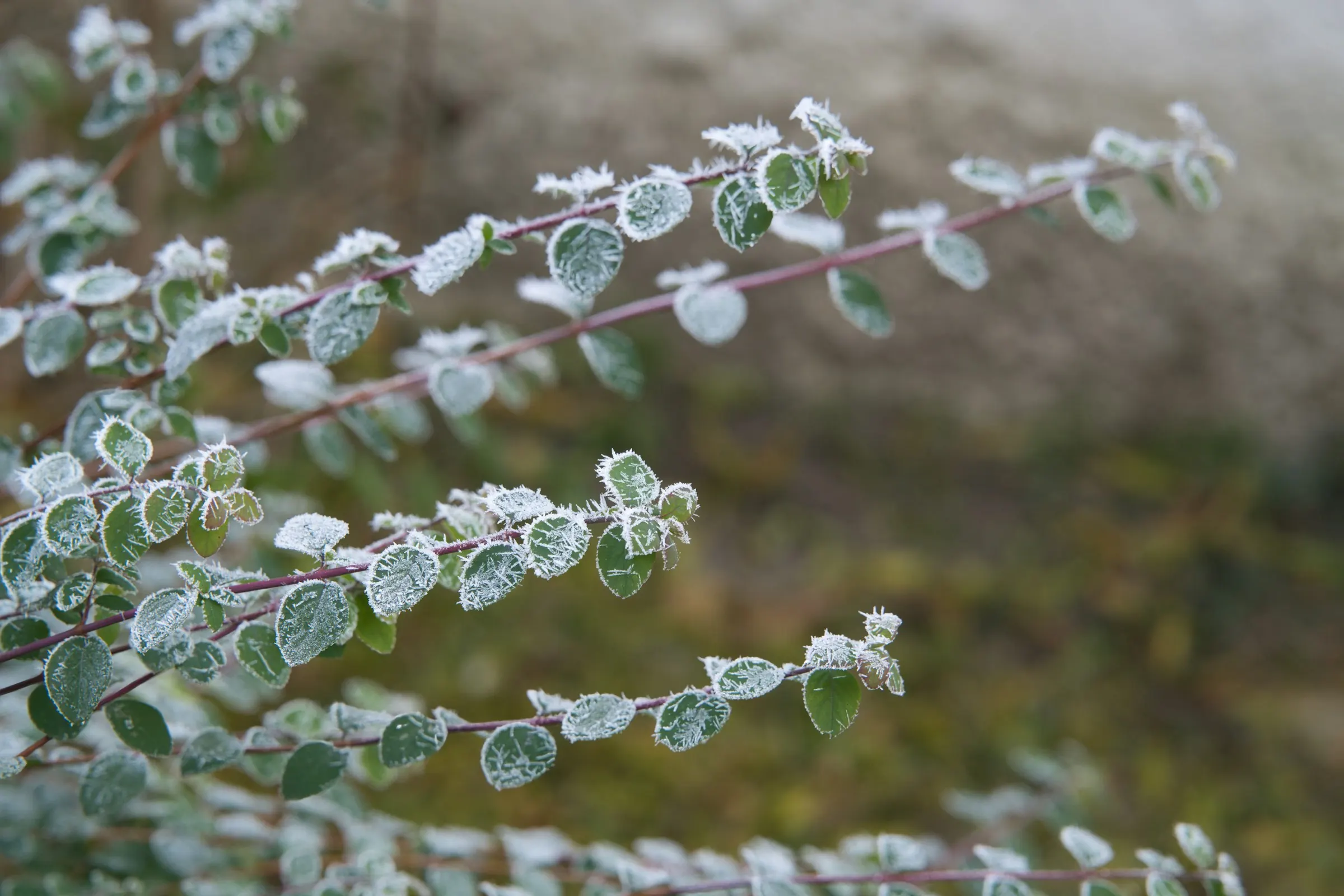
Frost usually forms on clear, still nights after a cold front, when the ground radiates its heat to the sky. A light frost that only lasts a few hours is often survivable, and ten minutes of prep in the afternoon protects most of a garden.
Before sunset
- Water beds thoroughly if the soil is dry.
- Move containers next to the house, under an overhang or into the garage.
- Cover tender plants (tomatoes, peppers, basil, young citrus, tropicals) with frost cloth, old sheets or cardboard boxes.
- Let covers drape all the way to the ground and weigh down the edges.
- Plastic transfers cold where it touches leaves, so put cloth underneath or prop it up on stakes.
Plants that can take it
Kale, collards, cabbage, broccoli, onions, carrots and strawberries in leaf handle a light frost. Open strawberry flowers can be damaged, so cover them if they are in bloom.
The morning after
Remove covers once temperatures climb above freezing, so plants don't cook in the sun. Don't prune frost-damaged growth right away. It protects the plant from the next cold night, and new growth shows what survived.
Sources
Florida Vegetable Gardening Guide (UF/IFAS EDIS VH021)UF/IFAS Gardening SolutionsUpdated November 18, 2026. General guidance; check your county extension office for local specifics.
Comments
Loading comments…