
Fall is Florida's real spring
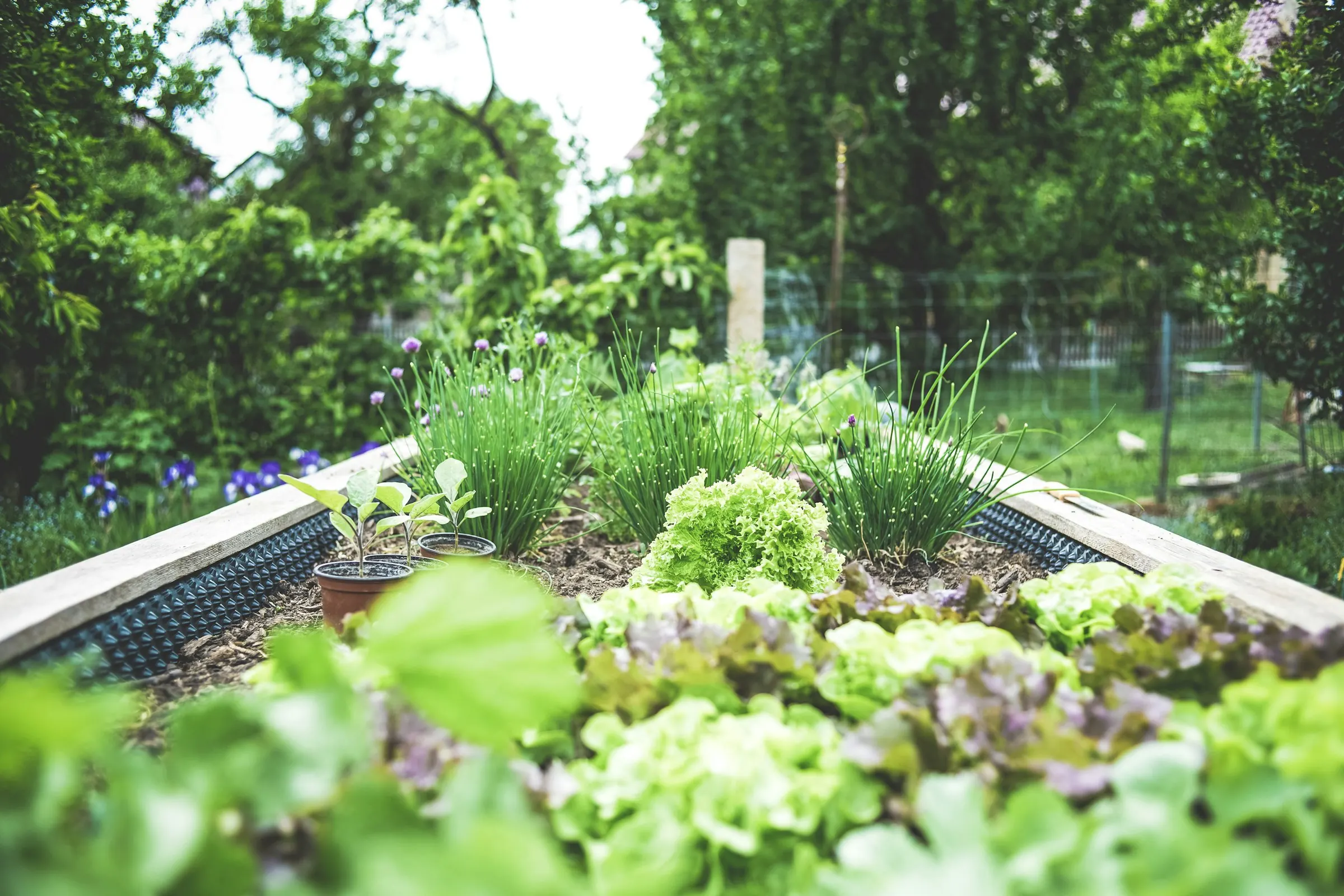
Up north, gardens are going to sleep. In Central and South Florida, November is when the best vegetable season of the year gets going.
The short version
- Cool-season crops (lettuce, kale, carrots, onions, strawberries) go in from October through February.
- In South Florida, tomatoes and peppers can grow straight through winter. Central Florida gets a fall crop and a second one from January.
- Sow a little lettuce every two weeks instead of all at once, so the harvest doesn't arrive in one glut.
Florida gardening runs on a different calendar. Summer is the hard season, with heat, daily storms, nematodes and insects all at their worst. The cool, dry months from October to March are when most vegetables grow best here, and new Florida gardeners who wait for a northern-style spring lose the best part of the year.
What to plant right now
UF/IFAS splits the state into North, Central and South regions, and planting windows shift by a few weeks between them. Wherever you are in Central or South Florida, November is open season for leafy and root crops:
- Lettuce, kale, collards, mustard and Swiss chard
- Broccoli, cabbage and cauliflower (transplants are easier than seed)
- Carrots, beets and radishes, sown straight into the bed
- Short-day onions such as Granex, the type bred for southern day length
- Strawberries, planted in fall for a winter-to-spring harvest
| Lettuce | Oct–Feb | 45–60 days |
| Carrots | Oct–Feb | 70–80 days |
| Onion (short-day) | Oct–Dec | 110–120 days |
| Kale | Sep–Feb | 50–65 days |
Tomatoes: two shots a year
Tomatoes stop setting fruit when nights stay above about 75°F, so in Central Florida the goal is to finish a crop before summer arrives. Plant in August–September for fall and again in January–March for spring. South Florida gardeners can usually keep tomatoes going all winter.
Yardcast's Garden tab marks what is good to plant this month for your location, so you can check before you buy transplants.
Watch for the cold fronts
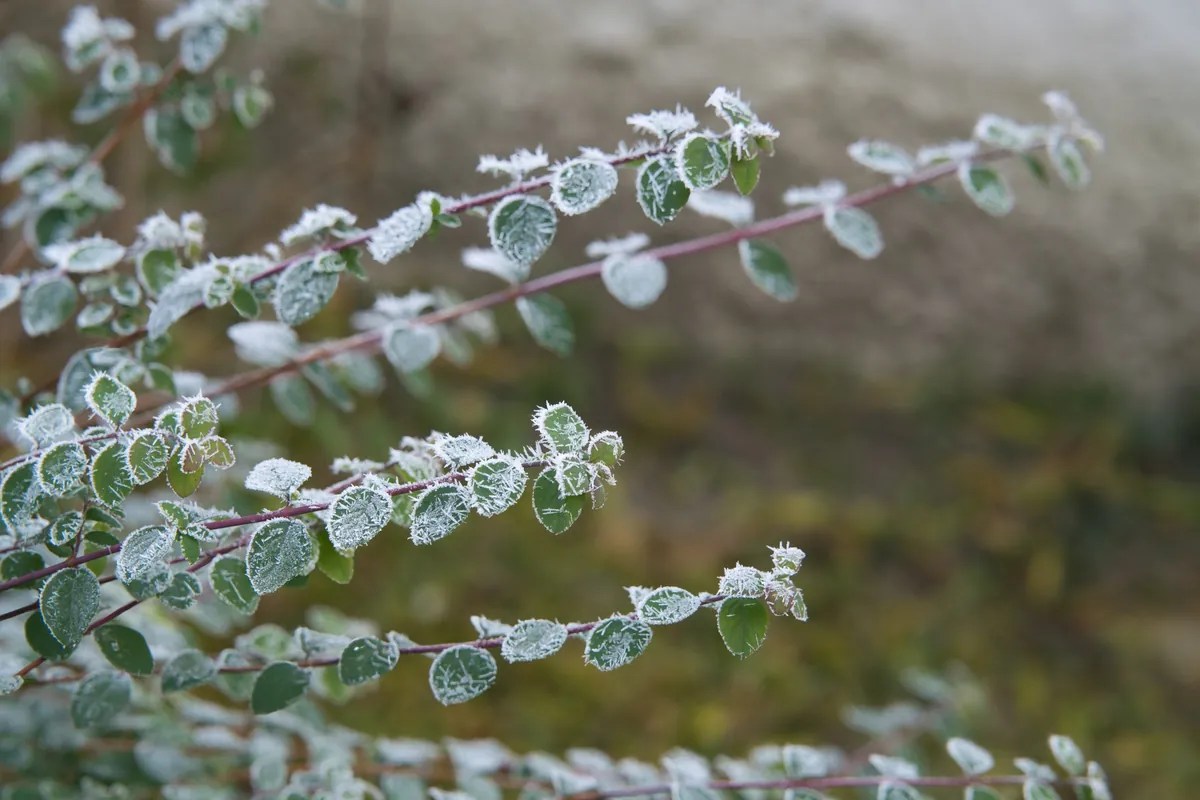
In much of the country the first fall frost ends warm-season crops for the year; in the Gulf South it is a handful of nights between December and February. Basil, peppers and tomatoes need covering when a front drops below the upper 30s; kale, collards and onions shrug it off. Yardcast's frost alert on the Today tab is set to warn you the day before.
Sources
Florida Vegetable Gardening Guide (UF/IFAS EDIS VH021)UF/IFAS Gardening SolutionsUpdated November 18, 2026. General guidance; check your county extension office for local specifics.
Comments
Loading comments…