
Your first raised bed, start to harvest
A 4×8 bed is the easiest way to start a vegetable garden almost anywhere: better drainage, fewer weeds, warmer soil in spring.
The short version
- Put it where it gets six to eight hours of direct sun. Sun matters more than anything else.
- Fill with a mix of quality topsoil and compost, not straight bagged potting mix.
- Plan it in one-foot squares and you'll waste less space and seed.
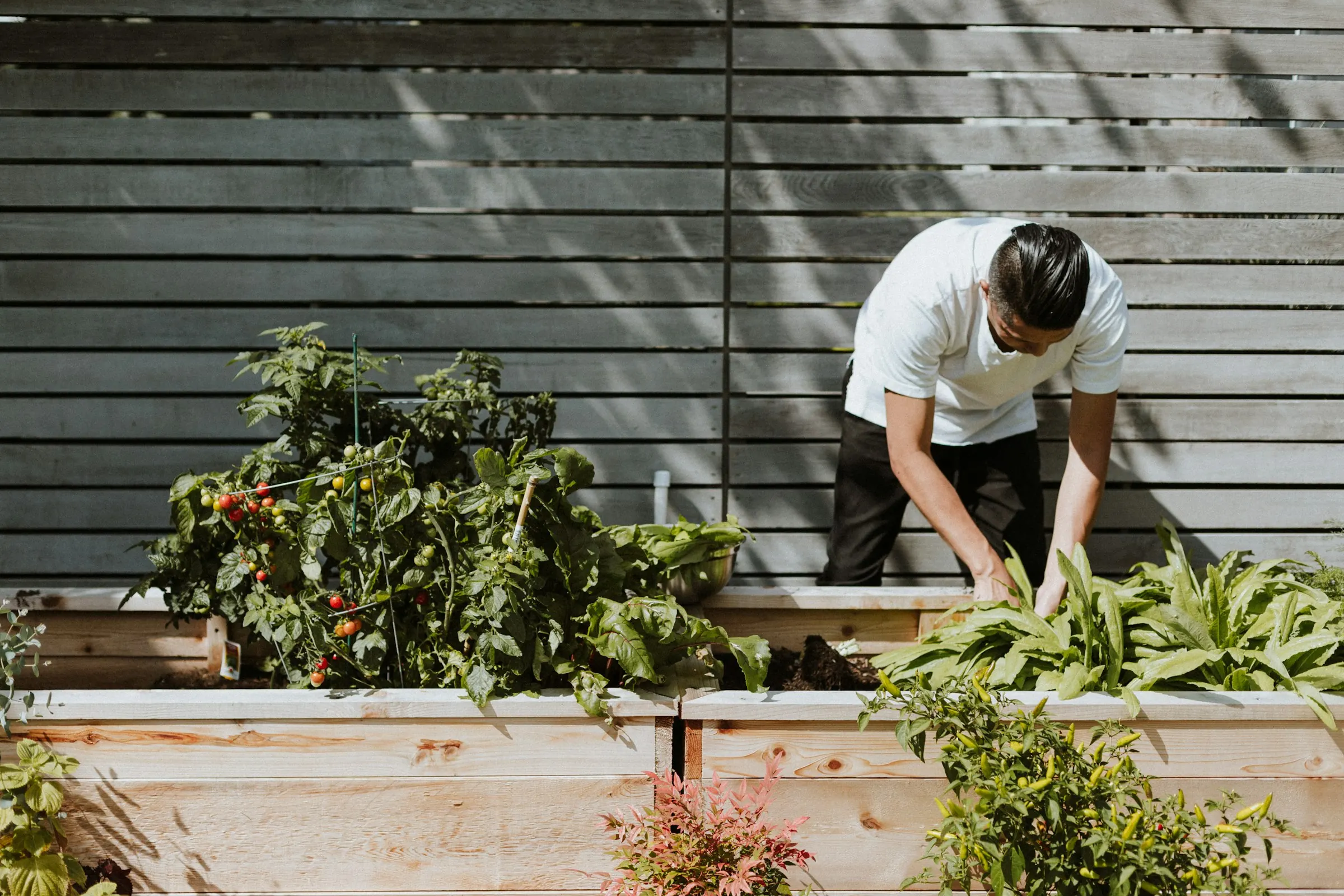
A raised bed makes gardening forgiving. You control the soil, it drains after a heavy rain, it warms earlier in spring and you can reach the middle without stepping on it. A 4-by-8-foot bed, 10 to 12 inches deep, is enough for a household's salad and tomatoes.
Siting it
- Six to eight hours of direct sun for fruiting crops like tomatoes, peppers and squash; leafy greens tolerate a bit less.
- Close to a hose. You'll water more often than you expect in midsummer.
- Four feet wide at most, so you can reach the center from either side.
Filling it
A common, reliable mix is roughly 60% screened topsoil and 40% compost. Avoid filling with garden soil from elsewhere in the yard if you've had nematode or disease problems. Top up with an inch or two of compost each season as the soil settles.
Planting by the square
Divide the bed into one-foot squares. Big plants like tomatoes or peppers take one square each; you can fit four lettuces, nine bush beans or sixteen carrots in a square. Yardcast's Garden tab uses this layout and warns you when two neighbors don't grow well together.
Start with three or four crops you actually eat. A small bed you keep up beats a big one that gets away from you by July.
Sources
Florida Vegetable Gardening Guide (UF/IFAS EDIS VH021)Updated November 18, 2026. General guidance; check your county extension office for local specifics.
Comments
Loading comments…